
The Practical Guide to Choosing a Rivet
Sixty years of toolmaking, distilled. Anatomy, terminology, and the four essentials you need before you pick a rivet for the job.
Anatomy of a Blind Rivet
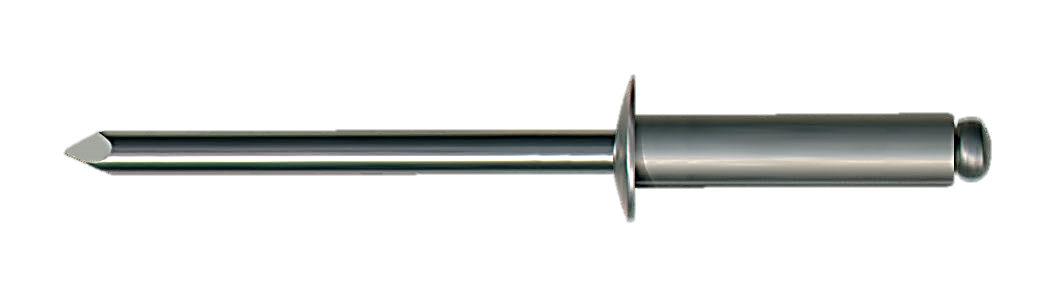
Stamped vs. Extruded
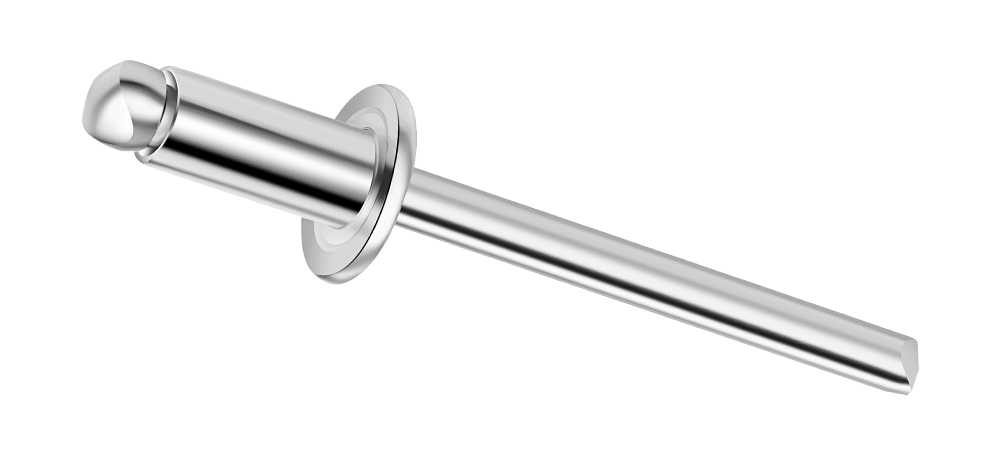
Stamped or extruded refers to how the body is formed.
Extruded tends to have higher shear and tensile strength due to thicker walls — making it more rigid in the application.
Stamped is often called “soft set.” Less prone to damaging fragile applications.
Edson’s edge: we make stainless rivets with a stamped body, allowing an easier upset that customers prefer.
What Is Grip Range?
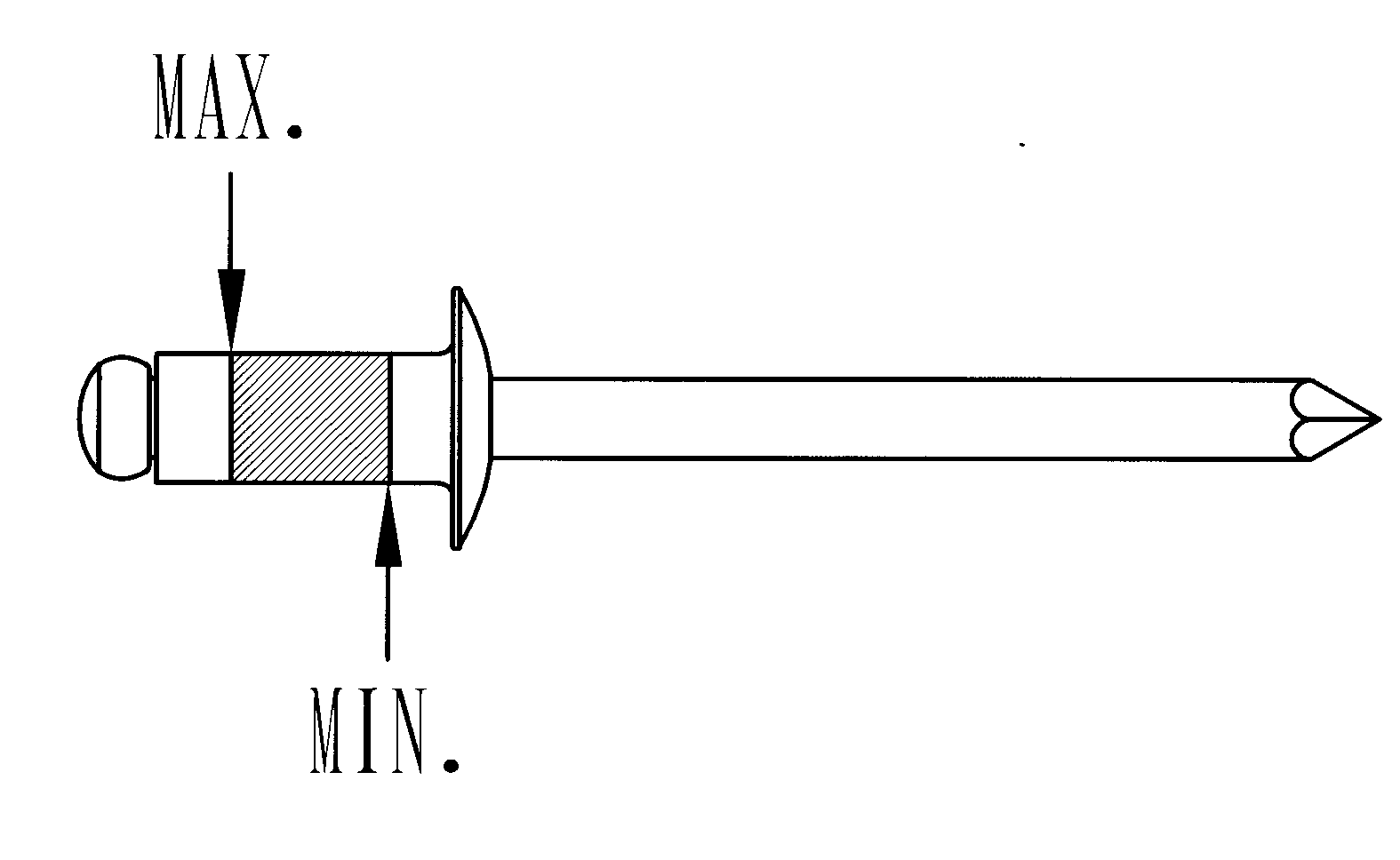
Grip range is the total thickness of the material being held together by the rivet.
The correct rivet size is selected by its grip range minimum and maximum specification — this is key to a successful installation.
A material’s or component’s ability to resist forces that can cause a sliding failure of the material.
The maximum stress a material can withstand while being stretched or pulled apart before breaking.
IFI Section 114
The Industrial Fastener Institute (IFI) Section 114 indicates the standard dimensional, mechanical, and performance requirements of break-mandrel blind rivets.
Edson’s very own Bill Conley discovered and corrected an error within the IFI standard while conducting shear & tensile testing on stainless.
Four Blind Rivet Essentials
What every engineer should consider before specifying a rivet.